
Piovan Group North America
How Piovan Group Synced Orders, Pricing, and Shipments Faster with appse ai
 North Western Europe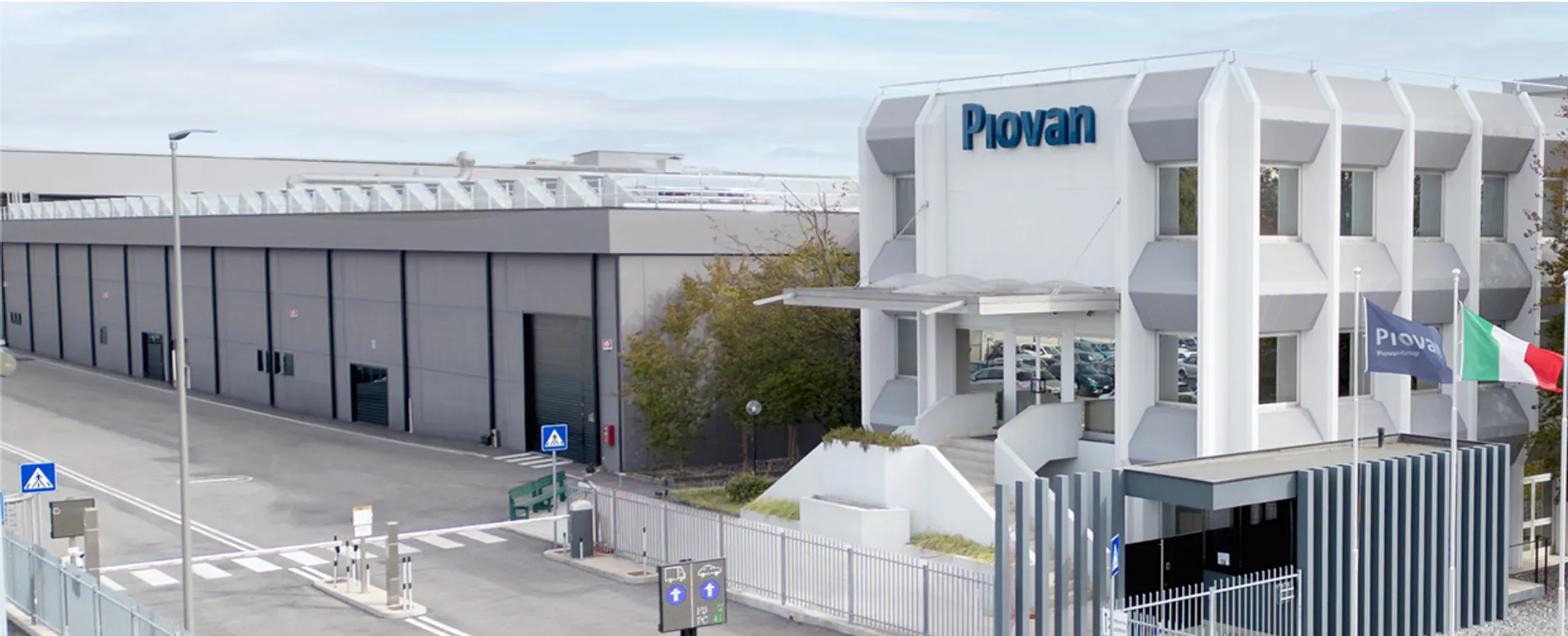
Disclaimer
Piovan Group North America, a company from the APPSeCONNECT customer base. appse ai is APPSeCONNECT's own product, built with significantly more advanced automation and AI capabilities. This case study has been adapted to reflect how Piovan Group North America's use case would run on appse ai today.



SAP ECC ↔ Magento 2 ↔ Salesforce, automated with appse ai
- Company
- Piovan Group North America (PGNA)
- Headquarters
- Italy
- Industry
- Manufacturing & Distribution — automation systems for polymer, powder, and food ingredient processing
- Integration Scope
- Sales orders, customer-specific pricing, abandoned cart signals, customer records, shipment status

About Piovan Group North America
Piovan Group North America is the North American operating arm of Piovan Group, headquartered in Italy, which builds automation systems for polymer, powder, and food ingredient processing. PGNA runs 5 production facilities and 10 service/sales subsidiaries across North America.
The Operational Challenge
PGNA ran Magento 2 as its eCommerce storefront, SAP ECC as its ERP, and Salesforce as its CRM, but the three systems didn't talk to each other. Web orders required manual steps before they became visible and available in SAP, slowing order confirmation and status responses. "Orders were coming in, but getting them into SAP fast and clean was taking too much effort."
Customer-specific pricing diverged between SAP and Magento 2 because updates were handled manually, creating timing gaps that led to price disputes and extra validation work. "Pricing accuracy matters a lot for our customers."
Abandoned cart activity wasn't visible in Salesforce quickly enough for the sales team to act on it, costing PGNA the moment to re-engage a customer, and disconnected records meant duplicate customers and ongoing cleanup work. "When cart activity is not visible in Salesforce quickly, we lose the moment to reach out."
The problem
Running SAP ECC, Magento 2, and Salesforce as disconnected systems surfaced three specific problems for Piovan Group North America:
- 01
Slow Order Flow Between Magento 2 and SAP ECC
Web orders required manual steps before becoming available in SAP, delaying order confirmation and slowing status responses to customers. "Orders were coming in, but getting them into SAP fast and clean was taking too much effort."
- 02
Pricing Mismatches Across Systems
Customer-specific pricing diverged between SAP and Magento 2 because updates were manual, opening timing gaps that led to price disputes and added validation overhead. "Pricing accuracy matters a lot for our customers."
- 03
Disconnected Cart Recovery and Duplicate Records
Abandoned cart signals weren't visible in Salesforce quickly enough for the sales team to follow up at peak intent, and the disconnect produced duplicate customer records and cleanup work. "When cart activity is not visible in Salesforce quickly, we lose the moment to reach out."
This is the exact pattern appse ai exists to remove: a multi-facility manufacturer's order, pricing, and customer data locked inside three disconnected systems, with sales, fulfillment, and the storefront all working from different versions of the truth.
Why appse ai
PGNA needed an integration that could get web orders into SAP quickly and cleanly, keep pricing consistent between SAP and Magento 2 without manual updates, and surface cart activity in Salesforce fast enough for sales to act on it.
appse ai built an automated, three-way connection across SAP ECC, Magento 2, and Salesforce, with data mapping and workflow testing before go-live, so orders, pricing, and cart intelligence move on their own between systems.
The solution: real-time order, pricing & cart-intelligence sync
Instead of manually pushing orders into SAP, chasing pricing mismatches, and missing cart-recovery windows, appse ai deployed three automated workflows across PGNA's order-to-customer cycle:
- Real-Time Sales Order Sync (Magento 2 ↔ SAP ECC)
Orders sync automatically between Magento 2 and SAP ECC with consistent field mapping, so web orders are available in SAP fast and clean without manual entry.
- Dynamic Price Sync (SAP ECC → Magento 2)
Customer-specific pricing is pulled directly from SAP as the source of truth and pushed to Magento 2, keeping pricing consistent across both platforms and removing timing gaps.
- Abandoned Cart Recovery (Magento 2 → Salesforce)
Cart abandonment in Magento 2 triggers follow-up actions in Salesforce automatically, so the sales team can reach customers at peak intent instead of after the moment has passed.
Each workflow runs as a closed loop: detect the event in one system, resolve it against the other, execute the update, and only surface an exception to a human when judgment is genuinely required.
The results
- Faster order availability in SAP: reduced processing delays through real-time order sync
- Consistent pricing across platforms: fewer disputes and cleaner order posting
- Automated cart intelligence: sales team reaches customers at peak intent instead of missing the moment
- Unified customer records: reduced manual cleanup from duplicate entries
- Shipment updates flow into Magento 2 automatically, with no manual posting required
- Standardized, three-system workflow (SAP ECC, Magento 2, Salesforce) with minimal manual intervention and lower ongoing maintenance
Instead of chasing data across systems, we can focus on serving customers and supporting growth.
Frequently Asked Questions
How does appse ai integrate SAP ECC, Magento 2, and Salesforce together?
appse ai builds an automated connection across all three systems: real-time sales order sync between Magento 2 and SAP ECC, dynamic pricing pushed from SAP ECC to Magento 2, and abandoned cart signals routed from Magento 2 into Salesforce.


